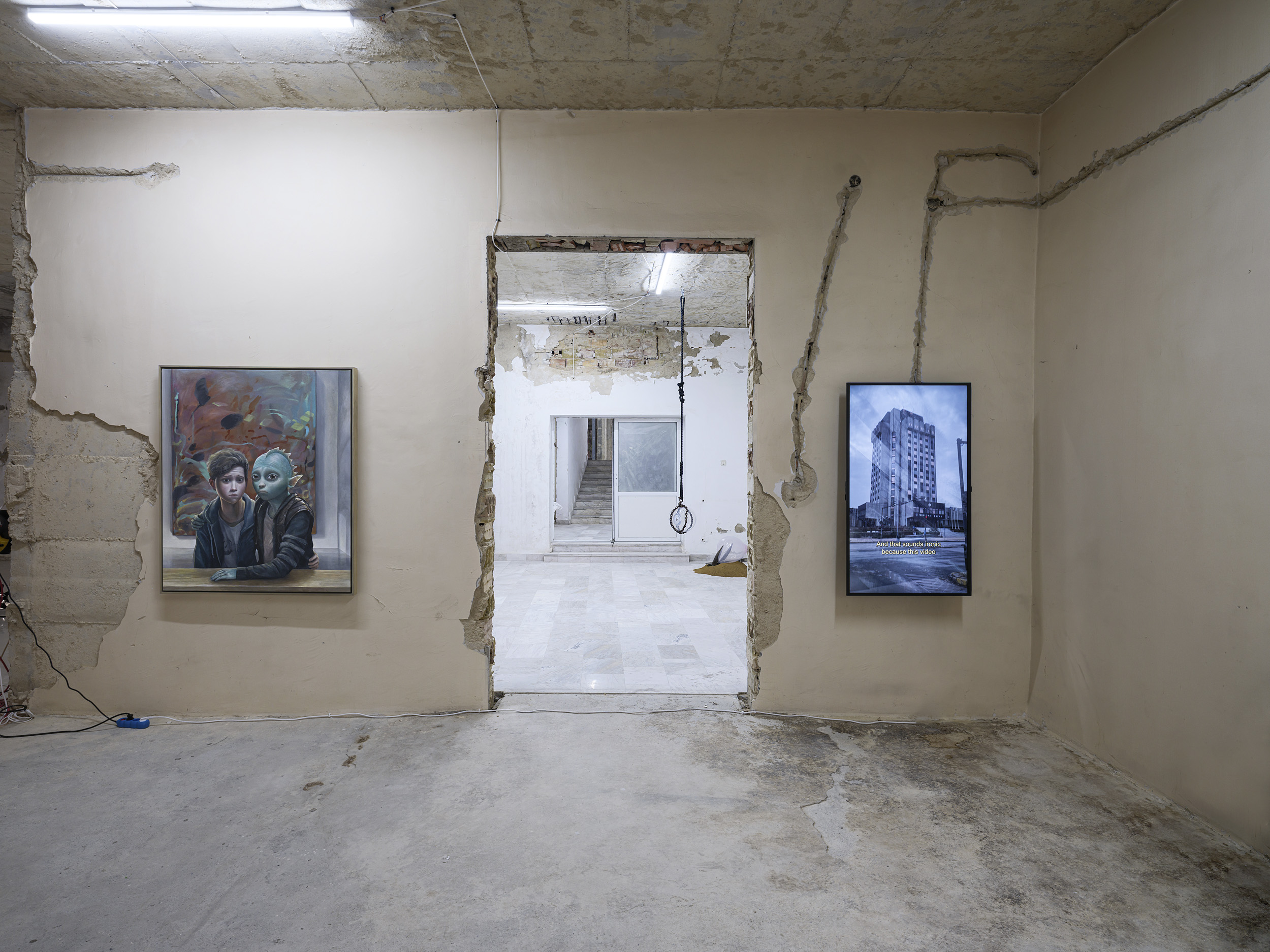
 Odyssea : Le chant des sirènes, 2025
Buna festival, Varna
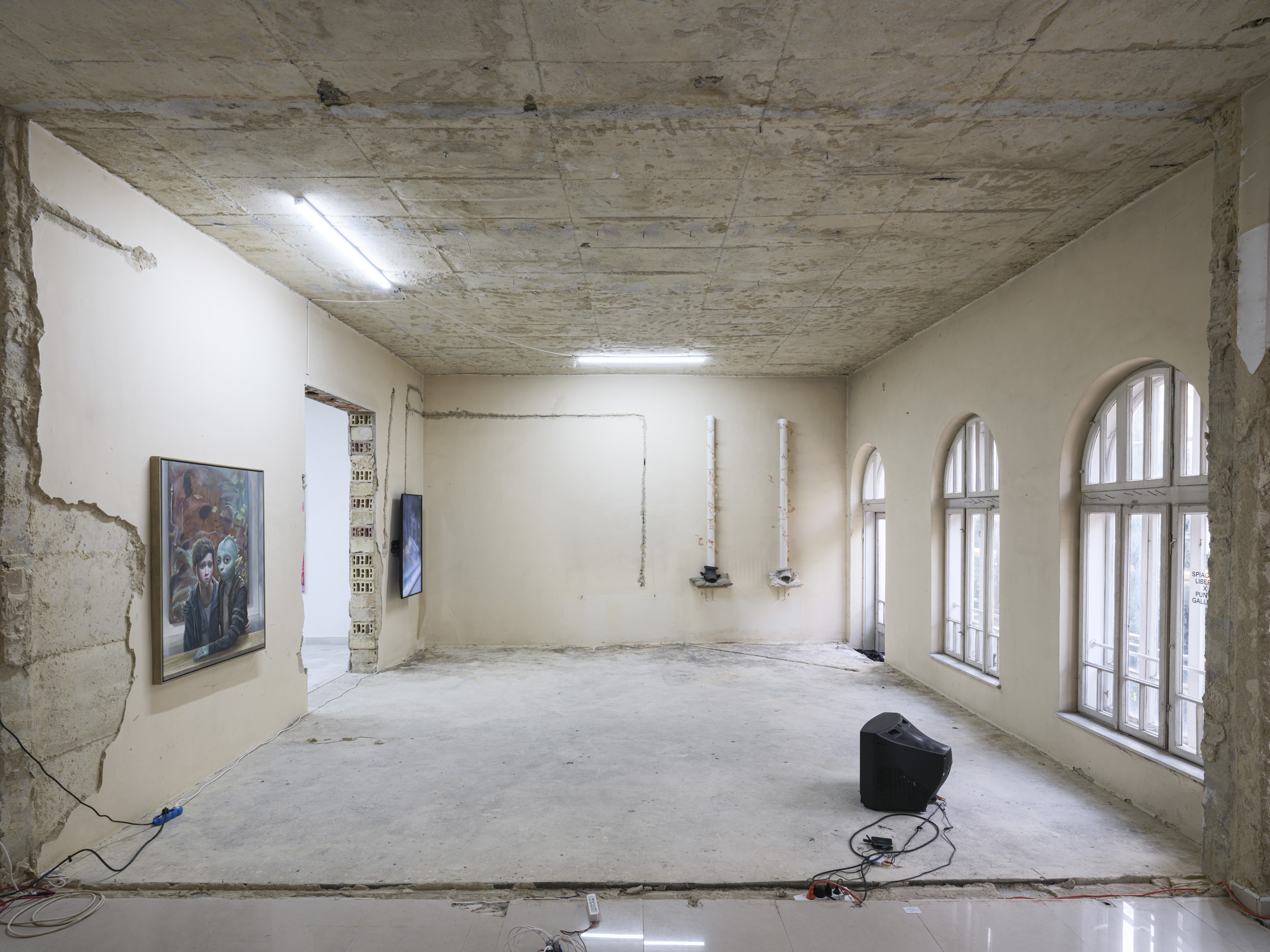 Odyssea : Le chant des sirènes, 2025
Buna festival, Varna
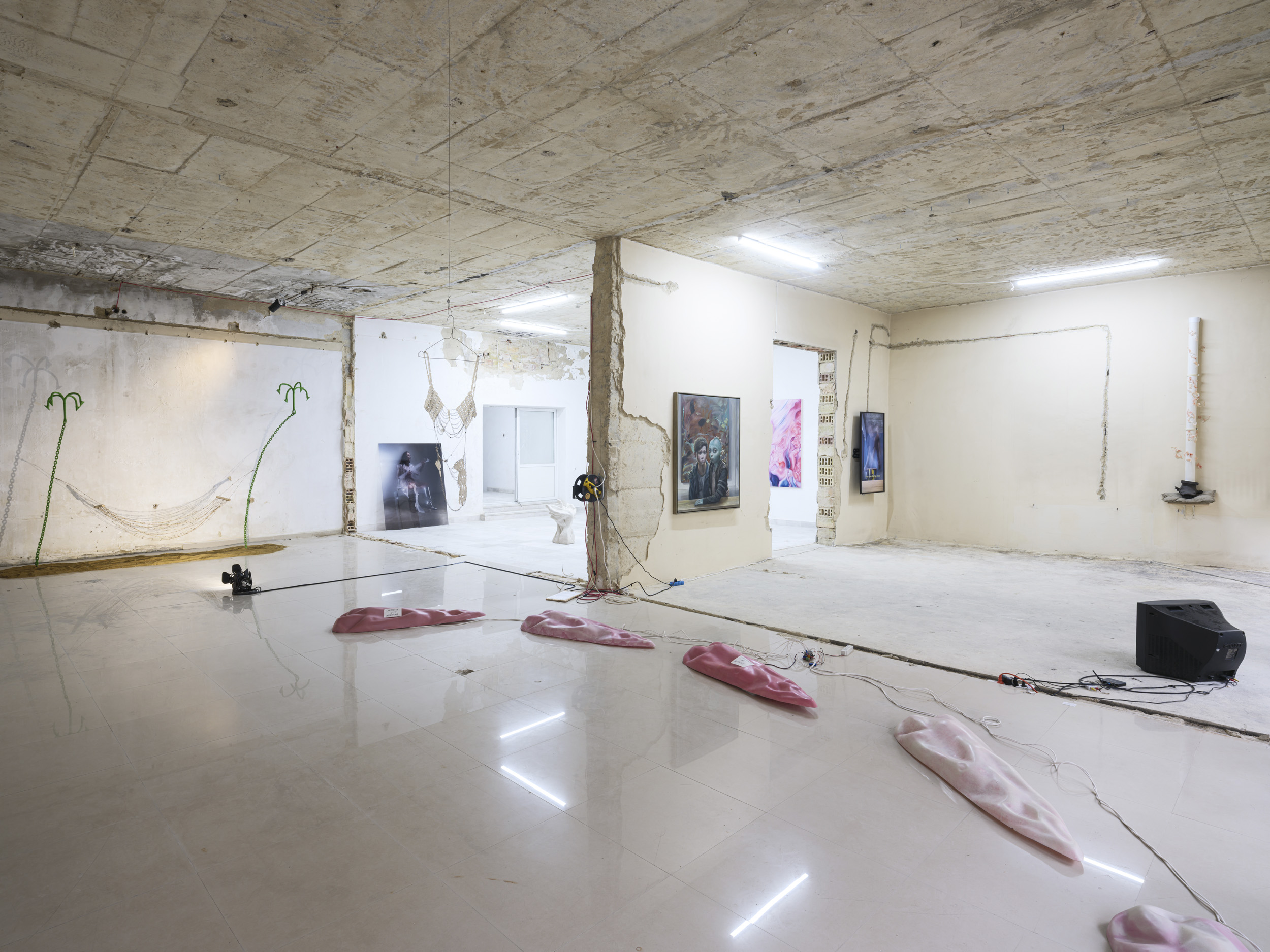 Odyssea : Le chant des sirènes, 2025
Buna festival, Varna
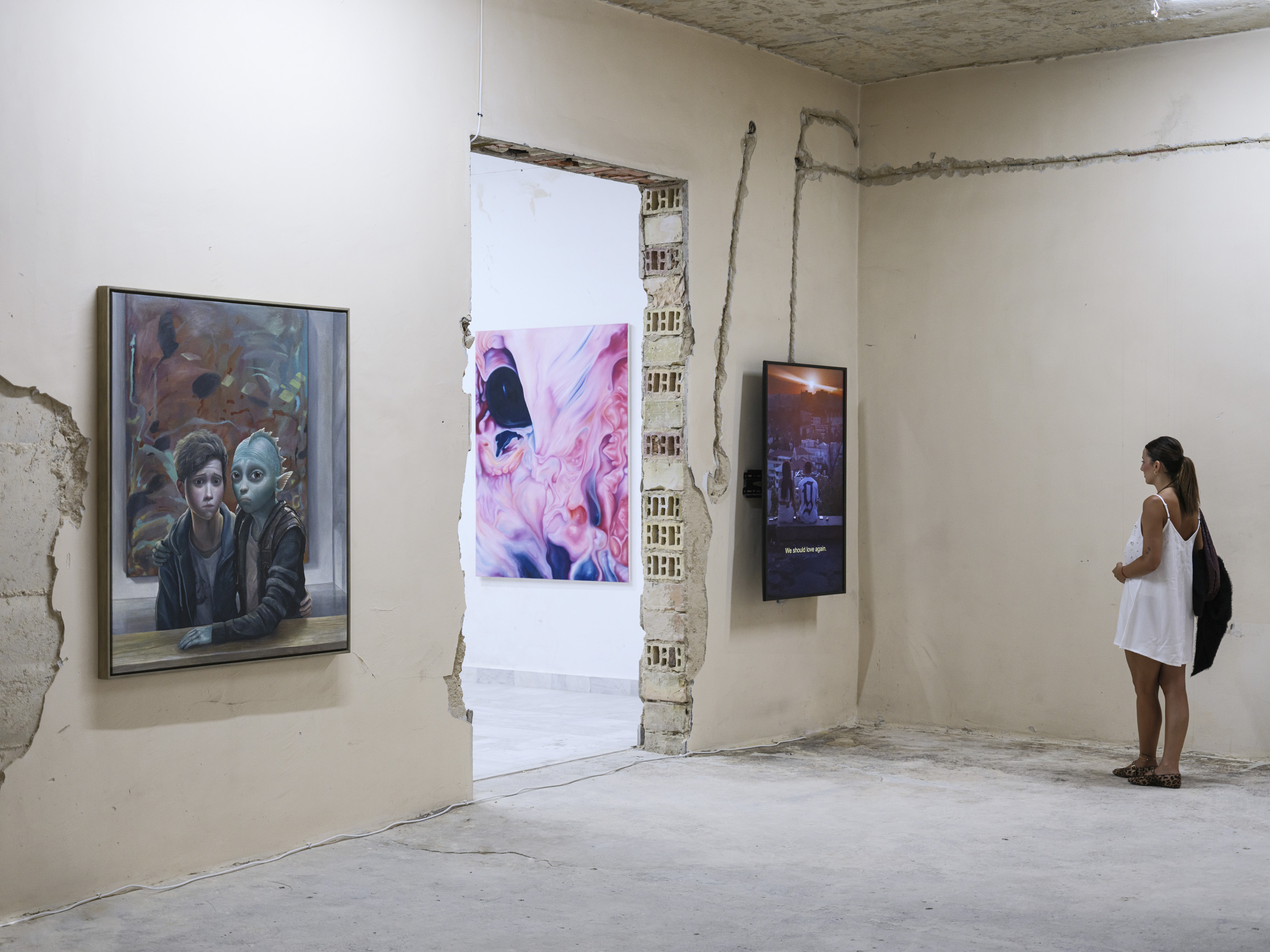 Odyssea : Le chant des sirènes, 2025
Buna festival, Varna
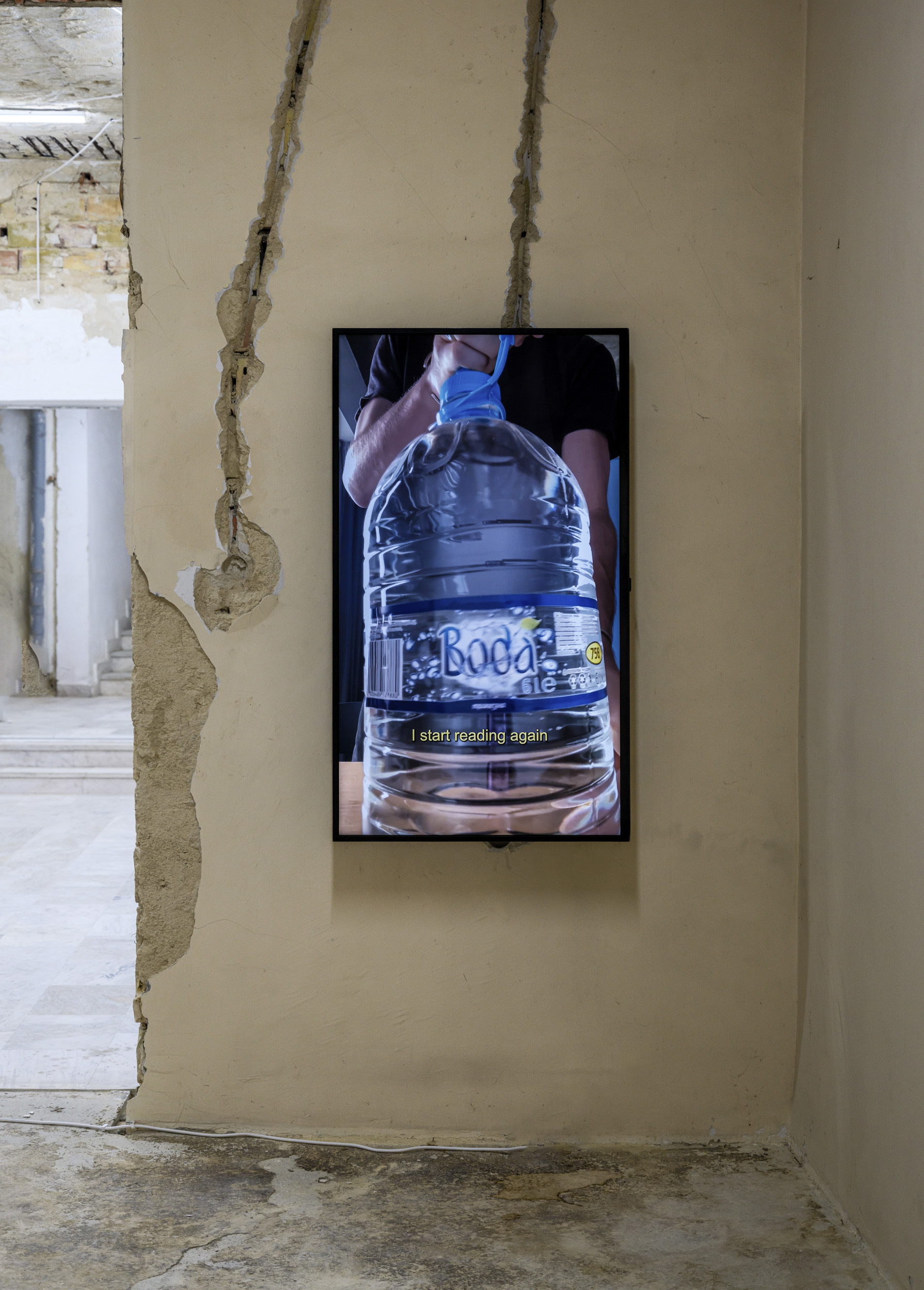 Antoine Donzeaud, Doom generation, 2025
HD video, sound
5'24''
Inquire
HD video, sound
5'24''
Inquire
BUNA 2025 I Odyssea: Le chant des sirènes I Spiaggia Libera x PUNTA Gallery
22 Sofia str, Varna, Bulgaria
Opening: 03.09.2025
Artists:
Antoine Donzeaud, Joshua Merchan Rodriguez, Talita Otović, Brandon Gercara & Ugo Woatzi, Hyewon Mia Lee, Carole Mousset, Marilou Poncin, Laura Gozlan, Claire Bouffay, Charlotte Gautier Van Tour, Michele Gabriele, Nina Boughanim, Opale Mirman, Bella Hunt & DDC, Jean-Baptiste Janisset, Sol Cattino, Vikenti Komitski, Slava George, Nikola Grozdanov, Ivan Moudov, Gery Georgieva, Aaron Roth, Veronika Desova
Curated by: Sacha Guedj Cohen, Camille Velluet, Boyana Dzhikova
We are all chimeras, beings in perpetual mutation, shaped by the invisible currents of time and culture. The mermaid, a mythical figure half-female, half-fish, becomes a contemporary symbol of our constantly changing society. She embodies this hybridity, this mixture of forms and identities, a reflection of our own inner and outer metamorphoses.
First, let's delve into the enigmatic world of mermaids. These mythical creatures, born of the maritime legends of different cultures, represent much more than a simple myth. They mirror our fascination for the unknown, for this infinite ocean; the only territory still partly unexplored today, which like our lives, conceals unfathomable mysteries. Ancestral tales and artistic representations of mermaids invite us to immerse ourselves deeply in this marine universe, where the line between reality and legend is blurred.
Works by Nina Boughanim, Charlotte Gauthier van Tour, Claire Bouffay, Bella Hunt & DDC, Opale Mirman, Laura Golzan and Carole Mousset reveal the depths of this inhabited underwater ecosystem, populated by mythological creatures and enchanting landscapes. Each artist, in his or her own way, explores this universe that is both fascinating and terrifying, reminding us that the mystery in each of us is as vast as the ocean itself. Their creations transport us into a world where poetry and terror mingle, inviting the viewer to take an introspective plunge into the abyss of the human soul.
The mermaid is revealed in a different light, as a seductive and dangerous woman. For centuries, tales of mermaids have embodied the fears and fantasies of patriarchal societies, where powerful, elusive femininity was perceived as a threat.
These creatures symbolised irresistible temptation, capable of leading men to their doom and diverting them from their senses. The image of the mermaid as femme fatale reflects the way in which patriarchal society has long reduced women to objects of desire, demonising those who dared to break free from imposed roles. The works of art that explore this facet of the mermaid highlight this duality: enchanting beauty on the one hand, and the trap of seduction on the other. They remind us that this mythological figure has been used to justify mistrust of free and independent femininity. Yet beneath this appearance of threat lies a subtle critique of patriarchal control; of the way in which women have been constructed as both desirable and threatening, precisely because they possess a strength that men cannot control. It is this tension between power and oppression that makes the mermaid such a complex and fascinating symbol, a figure both feared and admired.
Then the mermaid emerges from the waters, no longer as the temptress of ancient tales, but as a figure of rebellion and emancipation. She symbolises a break with obsolete norms, a metamorphosis towards a new identity, freer and bolder. Historically, the mermaid has been perceived as an evil being, capable of seduction and destruction. Today, she has become a feminist icon, a powerful voice for the oppressed and marginalised. The works of Sol Cattino, Marilou Poncin and Hyewon Mia Lee perfectly embody this transformation. Through their creations, these artists reinterpret the myth of the mermaid, presenting her not simply as an object of fascination, but as a symbol of resistance against patriarchal and social oppression. These works testify to the power of the mermaid, her ability to rise above stereotypes to become an emblematic figure in the struggle for autonomy and equality. Poseidon may well remain at the bottom of the sea, a silent witness to a changing world, where once-stifled voices are now bursting forth with strength and determination.
Finally, the journey ends with a reflection on fluidity and metamorphosis, intrinsic characteristics of mermaids. They transcend forms and identities, illustrating the human capacity to constantly evolve. This final chapter explores the notion of evolution and transition, emphasising that nothing is static. The works of Brandon Gercara & Ugo Waotzi, Jean-Baptiste Janisset, Laura Gozlan, Michele Gabriele and Talita Otović powerfully embody this idea. Through their creations, each of these artists explores the themes of transition, diversity and fluid identity, using the mermaid as a metaphor for mutation and adaptability. Their works invite us to embrace the multiplicity of identities and celebrate ongoing transformation. Through this artistic exploration, viewers are led to reflect on their own metamorphoses, on how we are all beings in the making, capable of adapting and redefining our identities in a constantly changing world.
In this way, the mermaid, an emblematic figure of marine legends, becomes a powerful symbol of our times, embodying the complexity of human identity and the beauty of transformation. She reminds us that, like her, we are all hybrid beings in search of meaning. Like mermaids, we are creatures of many voices, navigating the tumultuous waters of our contemporary ecosystems.
- Spiaggia Libera Gallery
***
"Odyssea: Le chant des sirènes" was first exhibited at the space of Spiaggia Libera gallery in Marseille in 2024. At that time, the show was largely shaped by the perspective of artists coming from the Mediterranean context. As part of the presentation of the project at BUNA, a collaboration between PUNTA Gallery and Spiaggia Libera, seven Bulgarian artists were also invited - Veronika Desova, Gery Georgieva, Slava George, Nikola Grozdanov, Vikenti Komitski, Ivan Moudov, and Aaron Roth, who were to present their own interpretations of the topic. In the course of their artistic research, both communalities and some peculiarities of the Black Sea region came to the surface. Questions such as female identity and its millennia-long formation, the dualistic powers women possess, unleashing those powers by taking control of their own narrative, body, and sexuality - those appear to be reoccurring topics for the modern siren. On the other hand, local contemporary maritime folklore is influenced by complex geopolitical processes and tensions, related to the construction of narratives, including such concerning national identity. Thus, questions of historicity, fabricating and rewriting history also prove to be universal, even through the prism of sea and mermaids. The ongoing dialogue between the works of Bulgarian and French artists through their resemblances and differences is at the heart of this exhibition.Through this conversation, we hope to outline the intricate map of a universal human experience, in which we can decipher the aspirations and anxieties of the present, but also the love and poetry in our everyday life, manifested here through the figure of the siren. This symbolism is not surprising—the female body, even the mythological one, has always been a vessel for channeling political and social phenomena. And so, the exhibition returns to its starting point—the body and its renegotiation as a condition for freedom.
- Boyana Dzhikova